Let’s be honest — period cramps are something almost every woman deals with, but very few actually understand why they happen or how to manage them properly. For most people, the go-to solution is painkillers. And yes, they may give temporary relief.
But if you really want to reduce cramps more naturally and improve your overall menstrual health, then nutrition plays a much bigger role than you might think. Certain vitamins and minerals can influence hormone balance, inflammation, and muscle contraction — all key factors behind period pain.
In this guide, we’ll break down what causes period cramps, the most helpful supplements for period cramps and menstrual health, easy vegetarian sources for each, and how to use them correctly for long-term results.
Table of Contents
What Causes Period Cramps? (Simple Explanation)
Before jumping into supplements, it helps to understand the root cause. Period cramps (also called dysmenorrhea) happen mainly due to prostaglandins — hormone-like chemicals that trigger uterine contractions.
- Higher prostaglandins mean stronger contractions and more pain
- Inflammation can increase discomfort
- Nutrient deficiencies can make symptoms worse
That’s why many women experience lower abdominal pain, back pain, bloating, mood swings, and fatigue. The good news: certain nutrients can help relax muscles, reduce inflammation, and support hormone balance — and that’s where the right foods and supplements come in.
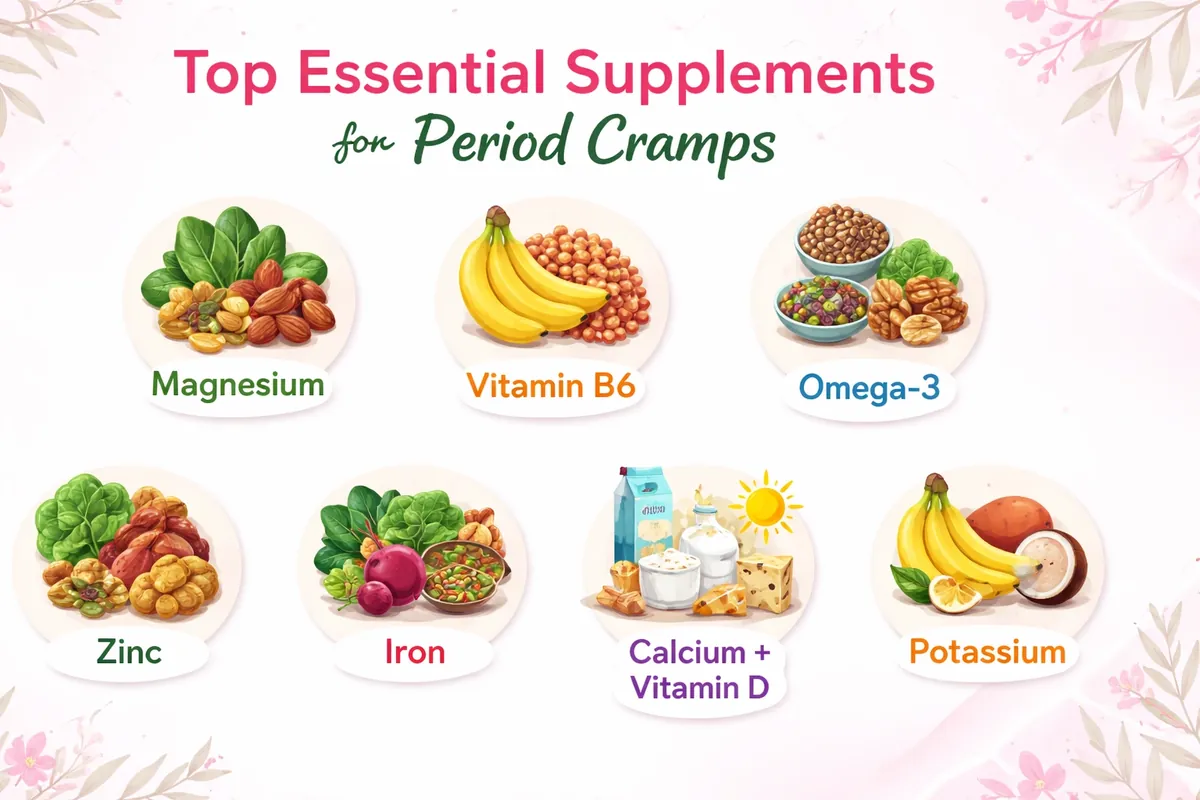
Top Essential Supplements for Period Cramps
Here are seven of the most helpful nutrients for period pain and menstrual health, along with vegetarian food sources for each. As always, focus on food first and use supplements only when needed.
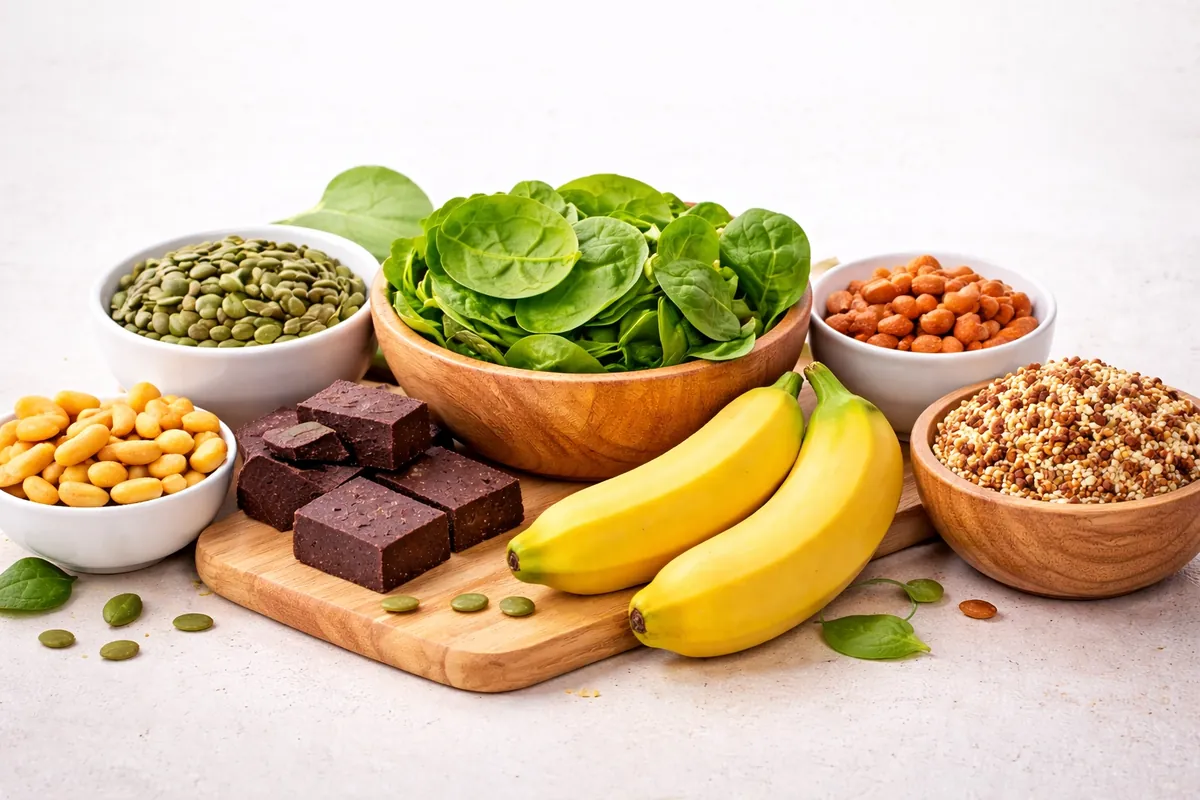
1. Magnesium — A Must-Have for Cramps
Magnesium is one of the most important minerals for period health. It helps your muscles relax, which can directly reduce the intensity of uterine contractions.
It also:
- Helps reduce bloating
- Supports better sleep
- Calms the nervous system
Vegetarian sources:
- Spinach
- Almonds
- Pumpkin seeds
- Cashews
- Whole grains
Tip: For best results, magnesium is usually taken regularly, not just during your period.
2. Vitamin B6 — For Mood and Hormonal Support
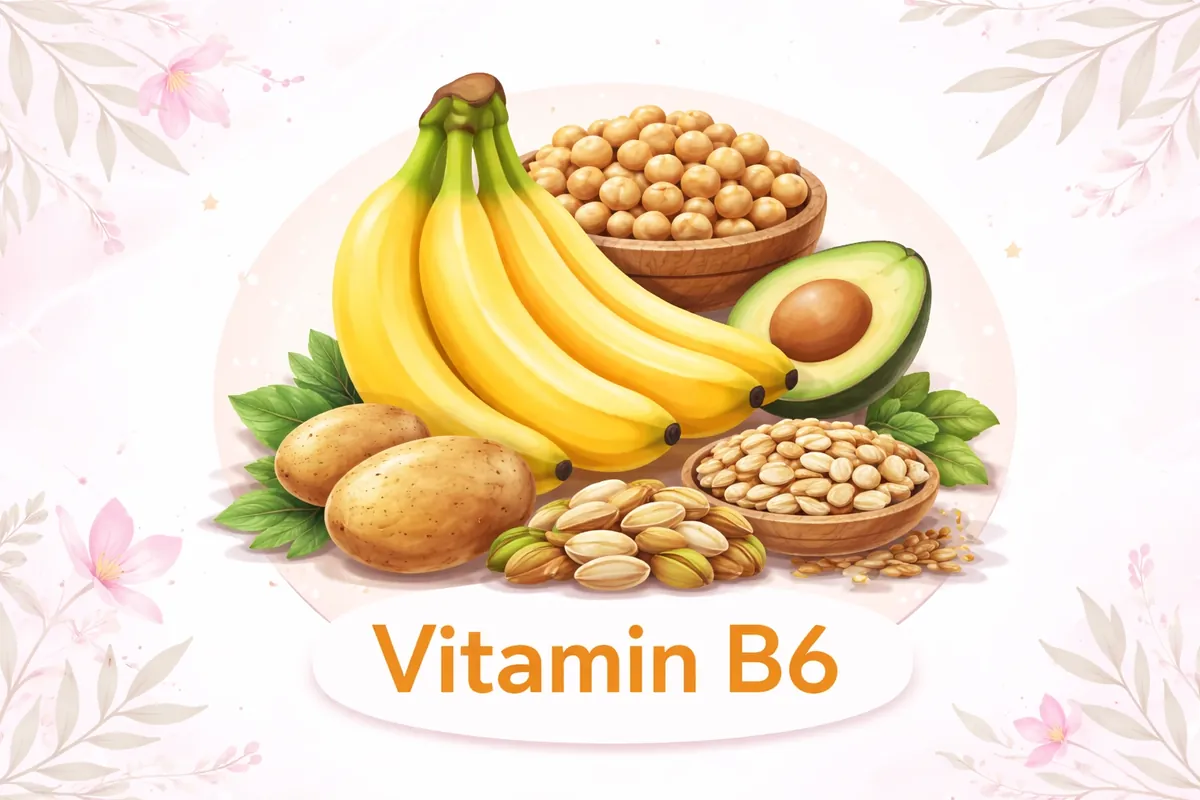
If your periods come with mood swings, irritation, or low energy, Vitamin B6 can help. It supports the production of brain chemicals like serotonin, which plays a big role in mood regulation.
Benefits:
- Helps manage mood swings
- Reduces fatigue
- Supports hormone balance
Vegetarian sources:
- Bananas
- Chickpeas
- Potatoes
- Spinach
3. Omega-3 Fatty Acids — Natural Anti-Inflammatory
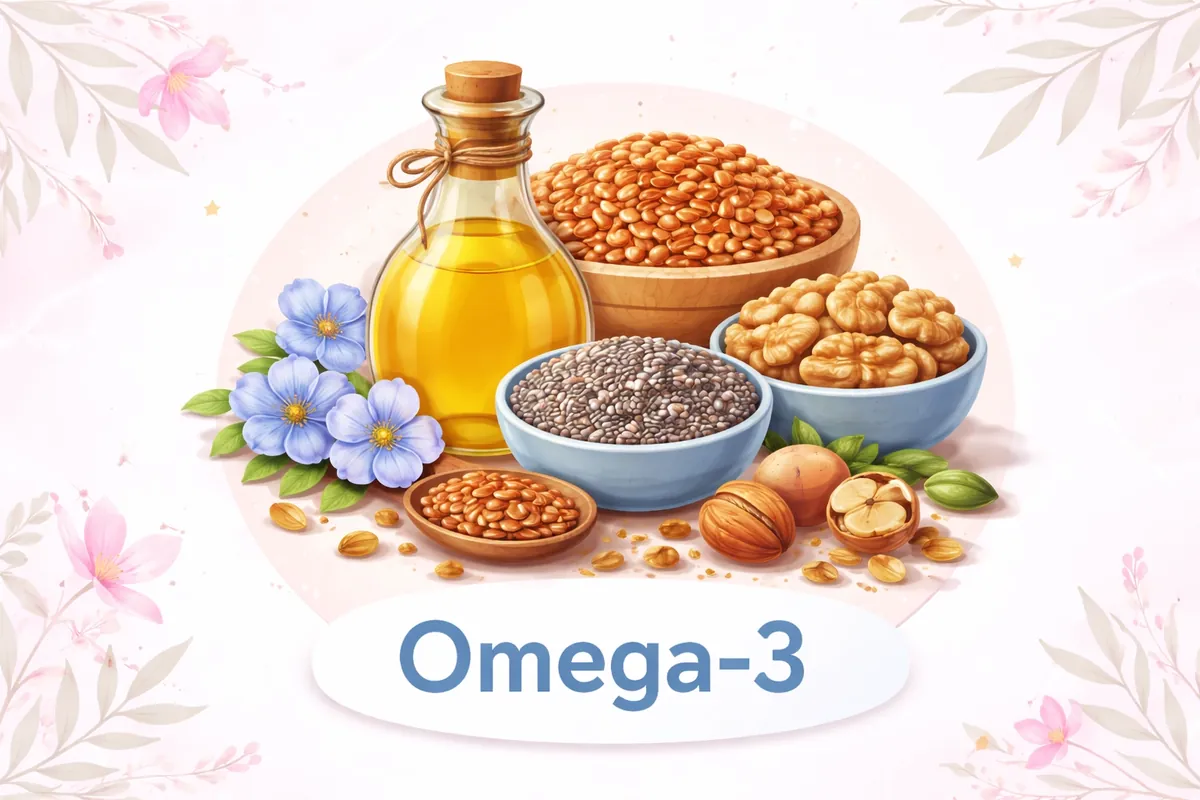
Omega-3 fatty acids are known for their anti-inflammatory properties. They may help reduce the compounds that cause pain and inflammation during periods. You can also consider plant-based omega-3 supplements if needed.
Vegetarian sources:
- Flaxseeds
- Chia seeds
- Walnuts
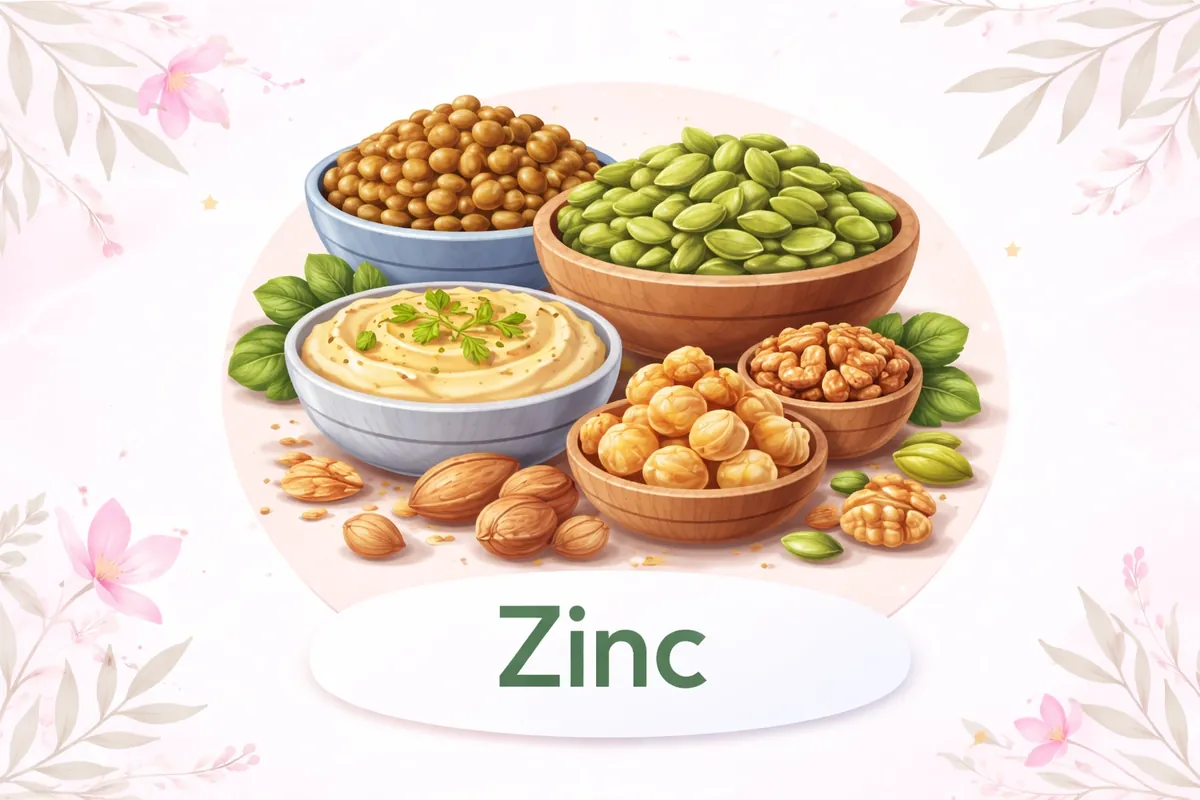
4. Zinc — For Better Hormonal Health
Zinc is important for maintaining hormonal balance and supporting reproductive health. It may also help reduce the severity of cramps by supporting the body’s response to inflammation.
Vegetarian sources:
- Pumpkin seeds
- Lentils
- Chickpeas
- Nuts
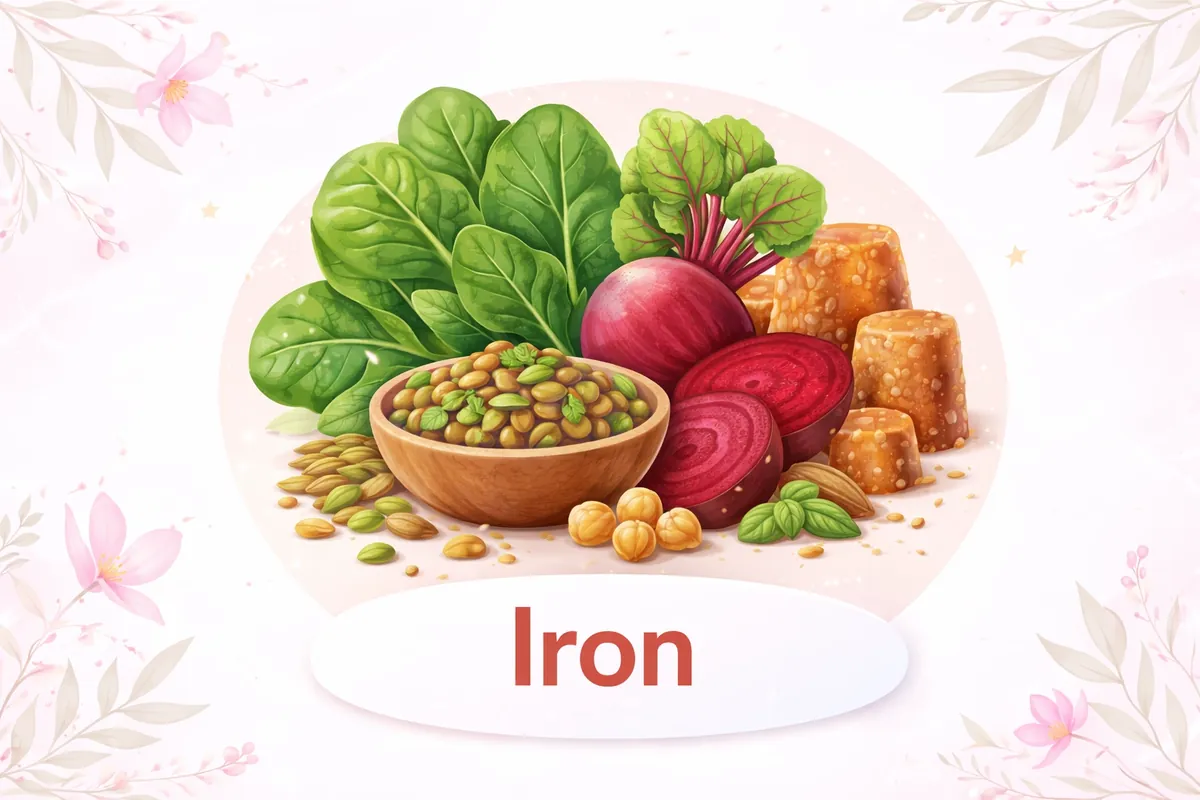
5. Iron — To Prevent Weakness
During menstruation, your body loses blood, which can lower iron levels. Low iron can leave you feeling weak, tired, or dizzy, so it’s important to maintain good iron levels.
Vegetarian sources:
- Spinach
- Beetroot
- Lentils
- Jaggery
Tip: Combine iron-rich foods with Vitamin C (like lemon juice) for better absorption.
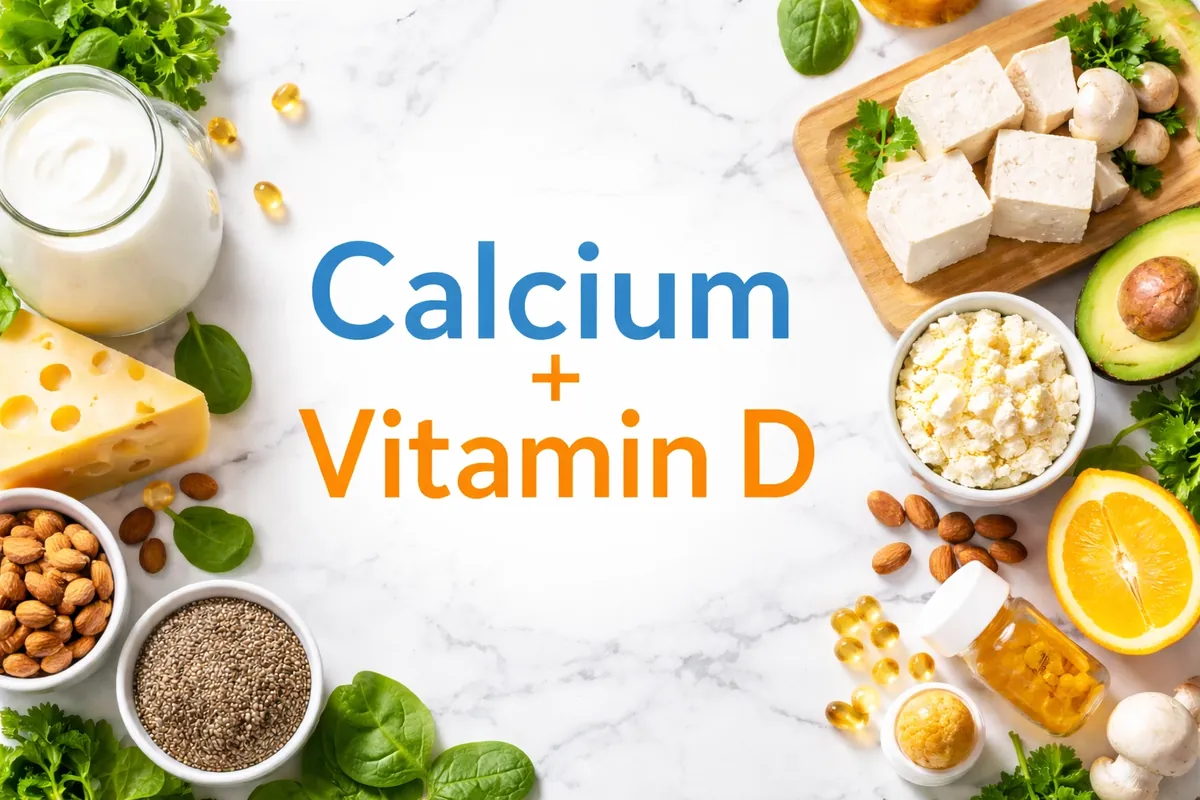
6. Calcium + Vitamin D — Important but Ignored
This combination is often overlooked but plays a key role in reducing muscle cramps. Calcium helps muscles function properly, while Vitamin D helps your body absorb calcium.
Vegetarian sources:
- Milk and dairy products
- Fortified foods
- Sunlight (for Vitamin D)
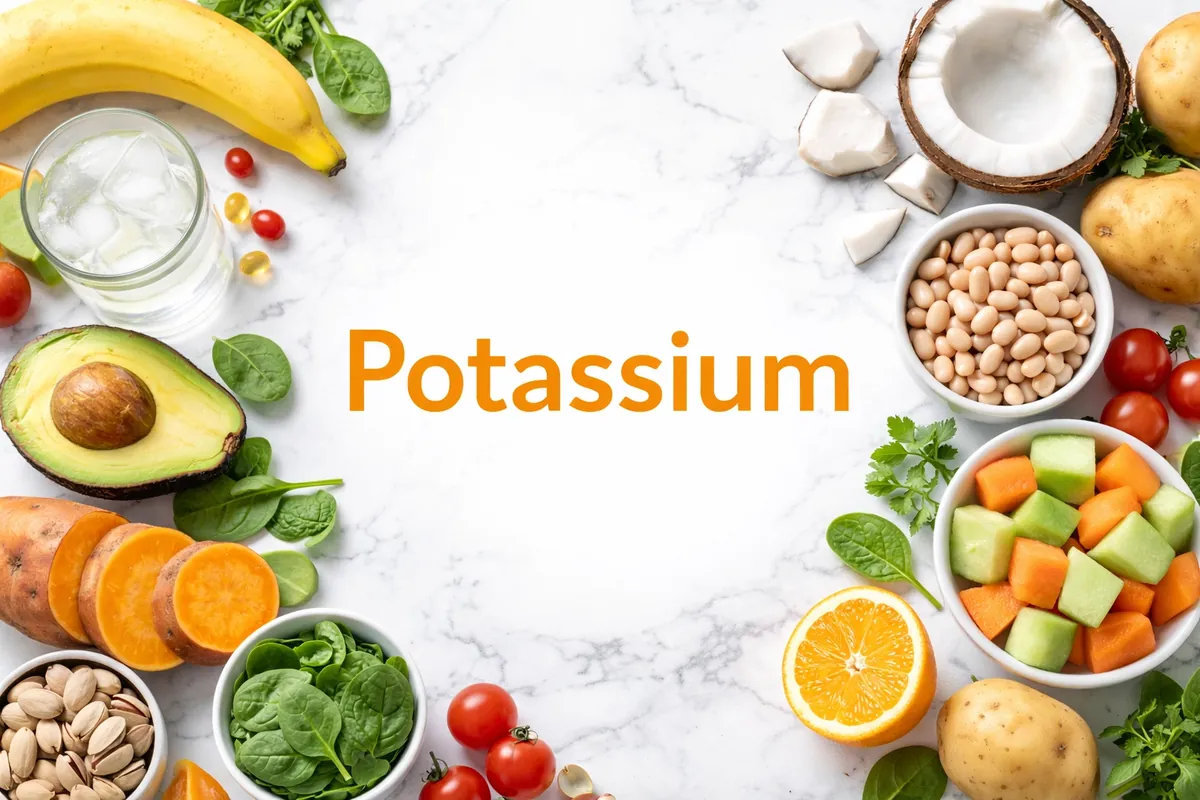
7. Potassium — Helps with Bloating
Potassium helps maintain fluid balance in the body and supports muscle function. It can help reduce bloating, water retention, and muscle discomfort.
Vegetarian sources:
- Bananas
- Sweet potatoes
- Coconut water
Food vs Supplements — What’s Better?
Supplements can help, but they shouldn’t replace a healthy diet. The best approach is to focus on natural, nutrient-rich foods and use supplements only when needed.
A balanced vegetarian diet with fruits, vegetables, whole grains, nuts, and seeds can naturally support your menstrual health over time.
Frequently Asked Questions
Why are my period cramps getting worse every month?
This could be due to increased stress, poor diet, lack of nutrients, or hormonal imbalance. Improving your magnesium and omega-3 intake, staying active, and tracking your cycle can help — and see a doctor if the pain is severe or worsening.
Can supplements completely stop period pain?
Not completely, but they can significantly reduce the intensity over time. Being consistent with nutrients like magnesium, Vitamin B6, and calcium for at least 2–3 cycles tends to give the best results.
Is it safe to take supplements every day?
Generally yes, but only within the recommended dosage — overuse can cause side effects. Stick to daily limits and consult a doctor if you’re unsure or take other medication.
Which supplement works fastest for cramps?
Magnesium is often noted for giving relatively quicker relief. Taking it regularly, especially a few days before your period starts, may help the most.
Can I rely only on food instead of supplements?
Yes, if your diet is balanced and nutrient-rich. Including seeds, nuts, leafy vegetables, and whole foods daily can cover most of these nutrients naturally.
Why do I feel very tired during periods?
This is often due to low iron levels and hormonal changes. Increasing iron-rich foods like spinach, lentils, and jaggery, along with Vitamin C for absorption, can help.
Do these supplements help with mood swings too?
Yes — especially Vitamin B6 and magnesium. Including them regularly can support both mental and physical symptoms.
When should I start taking supplements for best results?
Starting 1–2 weeks before your period tends to be more effective. A consistent routine works better than taking them only during your period.
Final Thoughts
Period cramps might be common, but that doesn’t mean you have to suffer every month. With the right nutrients and consistent care, you can often reduce the intensity of your symptoms and feel better during your cycle.
Start simple: improve your diet, add key nutrients, and stay consistent. Your body will respond — it just needs the right support.
Disclaimer: This article is for general informational and educational purposes only and is not a substitute for professional medical advice, diagnosis, or treatment. Individual needs vary, and some supplements may interact with medications or health conditions. Always consult a qualified doctor or gynaecologist before starting any supplement, especially if you are pregnant, breastfeeding, or managing a medical condition.