There’s a moment during almost every run when you notice it. Your clothes start sticking to your skin. Your top feels heavier. Your leggings suddenly feel warmer than they did ten minutes ago. Instead of focusing on your pace or enjoying the movement, you’re distracted by how uncomfortable your outfit has become.
A lot of women assume that sweating more is the problem. But that’s not actually the real issue. The real issue is often the fabric you’re wearing.
Many workout clothes are designed to look good, but not all of them are made for running. Some materials absorb sweat quickly, trap heat, and stay damp long after you’ve finished. Others pull moisture away from the body, dry faster, and keep you feeling lighter while you move.
If you’ve been searching for activewear that stays comfortable, feels breathable, and doesn’t soak up sweat halfway through your run, this guide will help you choose better.
Table of Contents
- Why Some Running Clothes Feel Wet So Quickly
- Best Fabrics for Running Outfits That Stay Dry
- Fabrics to Avoid for Running
- Best Running Outfits That Don’t Soak Up Sweat
- What to Look for When Buying Running Activewear
- Small Features That Make a Big Difference
- Common Mistakes Women Make When Buying Running Clothes
- Stylish Running Outfit Ideas
- How Many Running Outfits Do You Need?
- How to Wash Activewear Properly
- Final Thoughts
Why Some Running Clothes Feel Wet So Quickly
Not every fabric responds to sweat in the same way. Some materials hold onto moisture. Once they get wet, they stay wet. They cling to the body, feel heavy, and make movement less comfortable.
Performance fabrics work differently. They’re made to move sweat away from your skin and spread it across the surface of the fabric so it can dry faster. This process helps regulate comfort while you run.
That means two tops can look almost identical online, but once you start moving, one may feel fresh while the other feels soaked. This is why fabric matters even more than style.
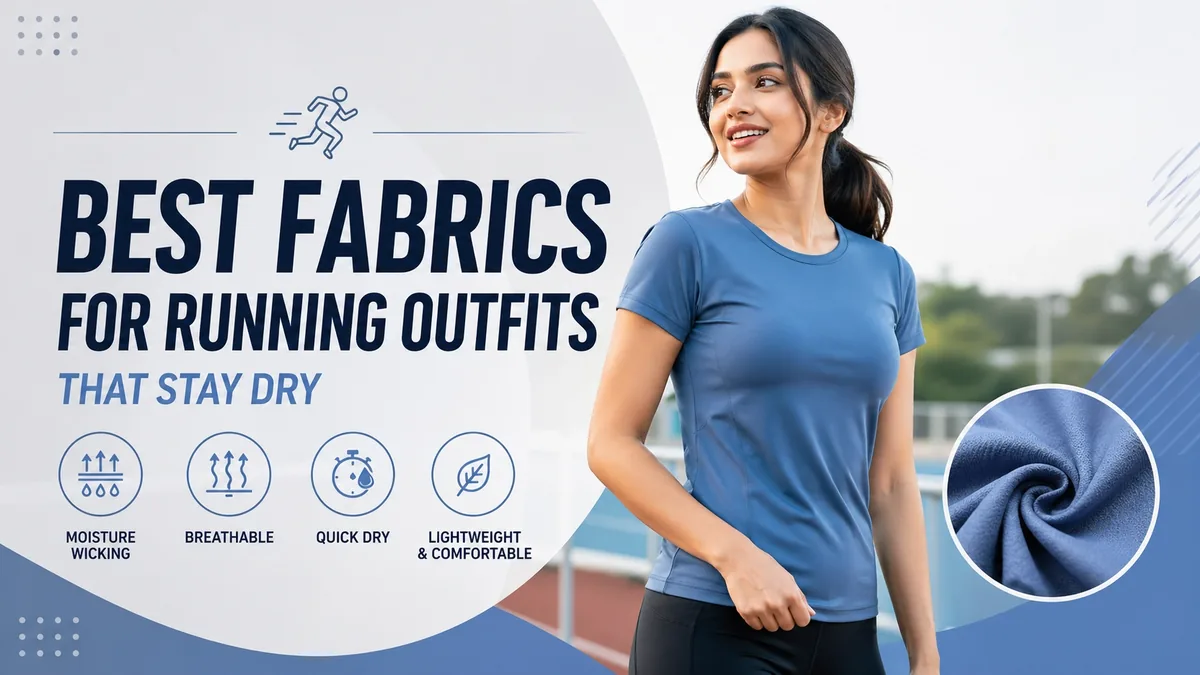
Best Fabrics for Running Outfits That Stay Dry
1. Polyester Performance Fabric
This is one of the most common materials used in quality activewear for a reason. It’s lightweight, dries quickly, and works well during regular workouts. It also tends to keep its shape after repeated washing.
Why it works:
- Light feel on the body
- Fast drying
- Breathable during movement
- Durable for regular use
Great for: daily runs, gym cardio sessions, and outdoor jogging.
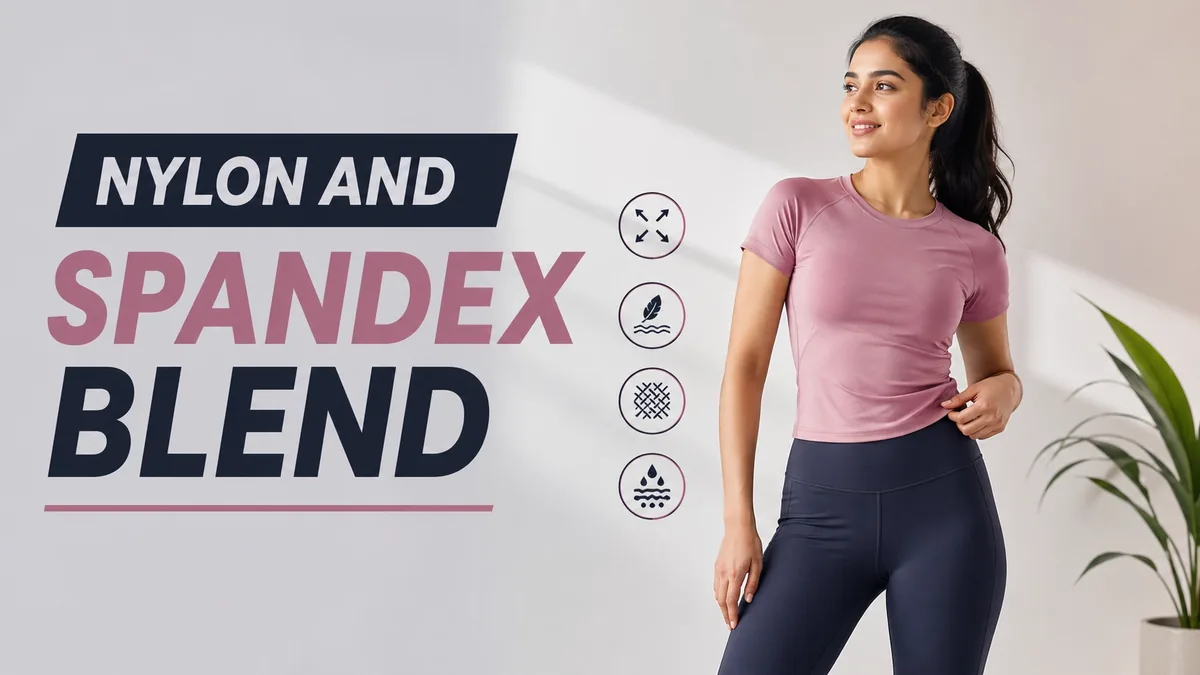
2. Nylon and Spandex Blend
If you prefer activewear that feels smooth, soft, and slightly more premium, this blend is a strong choice. Nylon gives a sleek finish, while spandex adds stretch and flexibility.
Benefits:
- Comfortable stretch
- Better shape retention
- Soft feel against skin
- Moves easily with the body
Perfect for: leggings, fitted running tops, and matching workout sets.
3. Bamboo Performance Blends
Some women prefer softer fabrics over synthetic textures. Bamboo blends offer a comfortable middle ground — gentle on the skin while still offering decent breathability.
- Soft texture
- Comfortable for long wear
- Good airflow
- Suitable for lighter workouts like walk-run routines and casual activewear days
Fabrics to Avoid for Running
100% Cotton
Cotton may feel comfortable when you first wear it, but it usually becomes uncomfortable once sweating starts. It absorbs moisture quickly and can stay damp for too long.
- Holds sweat
- Feels heavier during runs
- Slower to dry
- Can cause rubbing or chafing
Thick Heavy Materials
If fabric feels dense before your workout begins, it often feels worse once you start heating up. Heavy materials trap warmth and reduce airflow — the opposite of what you need while running.
Cheap Non-Breathable Leggings
Some low-quality leggings look fine at first but quickly become uncomfortable. They may trap heat, lose shape, and show sweat marks easily. Always check the fabric label before buying.
Best Running Outfits That Don’t Soak Up Sweat
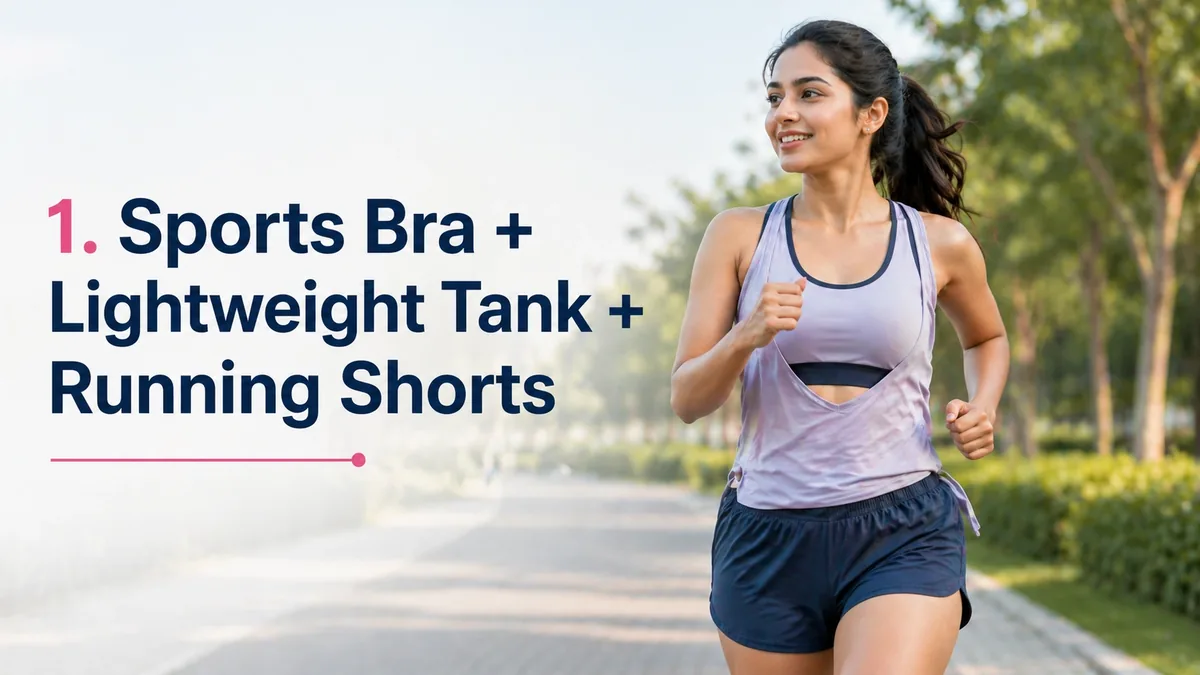
1. Sports Bra + Lightweight Tank + Running Shorts
This is one of the easiest and most effective combinations for women who sweat easily while running.
Why it works:
- Better airflow
- Less fabric weight
- Easy movement
- Dries faster than layered outfits
Ideal for: faster runs, warm weather, and indoor cardio sessions. Choose a supportive sports bra with breathable material rather than thick padding.
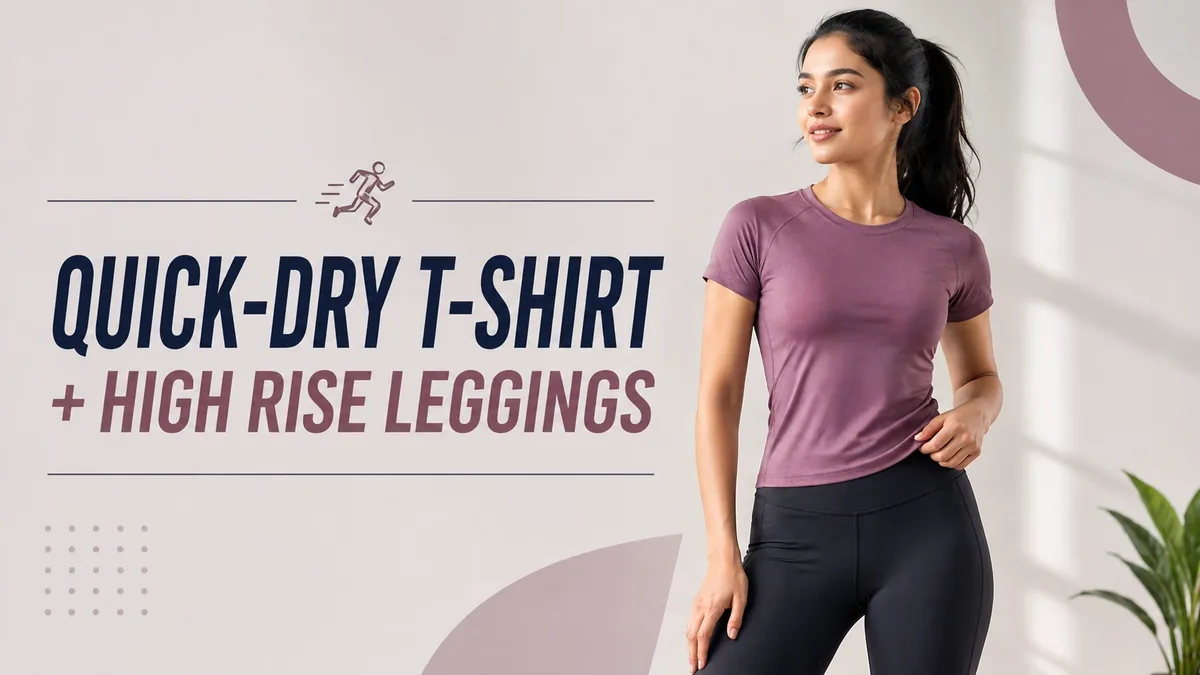
2. Quick-Dry T-Shirt + High Rise Leggings
If you prefer more coverage, this is a reliable option that offers comfort while still feeling practical.
- Balanced support
- Comfortable fit
- Stylish enough for everyday wear
- Works in many weather conditions
Look for leggings with flat seams and stretch fabric that stays in place during movement.
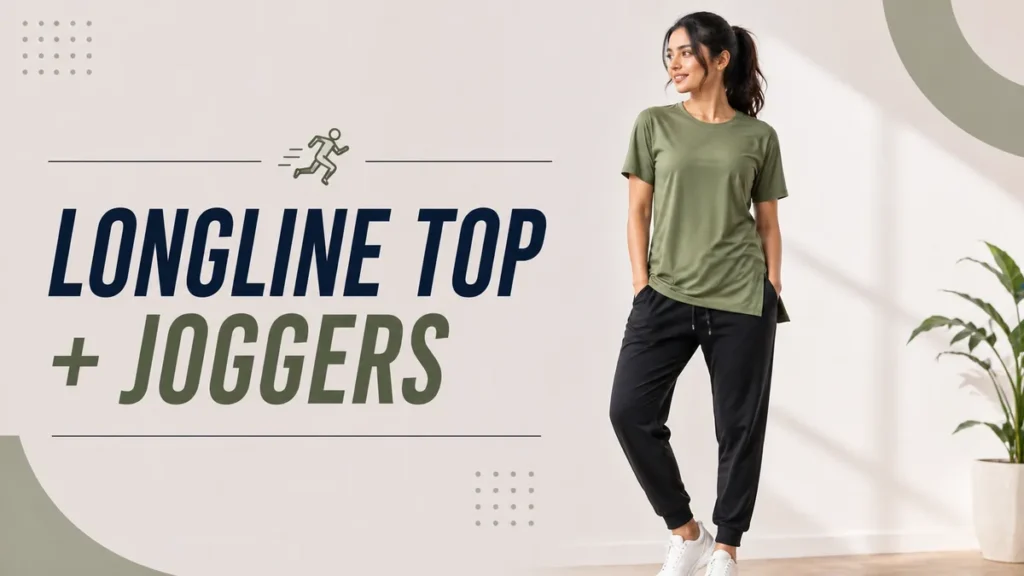
3. Longline Top + Joggers
Some women feel more comfortable in looser outfits, especially outdoors. This combination gives coverage while still allowing free movement.
- Great for light jogging and walking routines
- Good coverage without restriction
- Relaxed, modern look
Choose joggers made from lightweight performance fabric, not heavy lounge material.
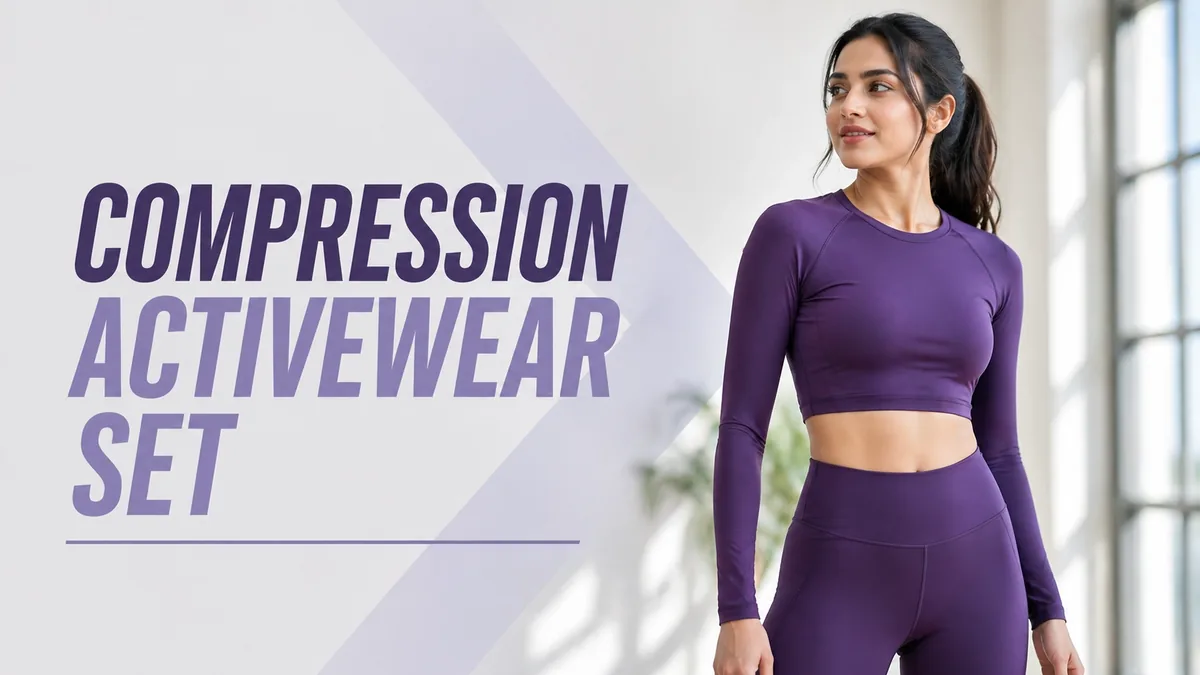
4. Matching Compression Set
Compression outfits are popular among women who prefer a secure and supportive fit. They stay in place while running and reduce distractions caused by shifting fabric.
- Smooth, secure fit
- Supportive feel
- Less movement bounce
- Great for focused workouts
Choose medium compression rather than overly tight styles for long-distance runs.
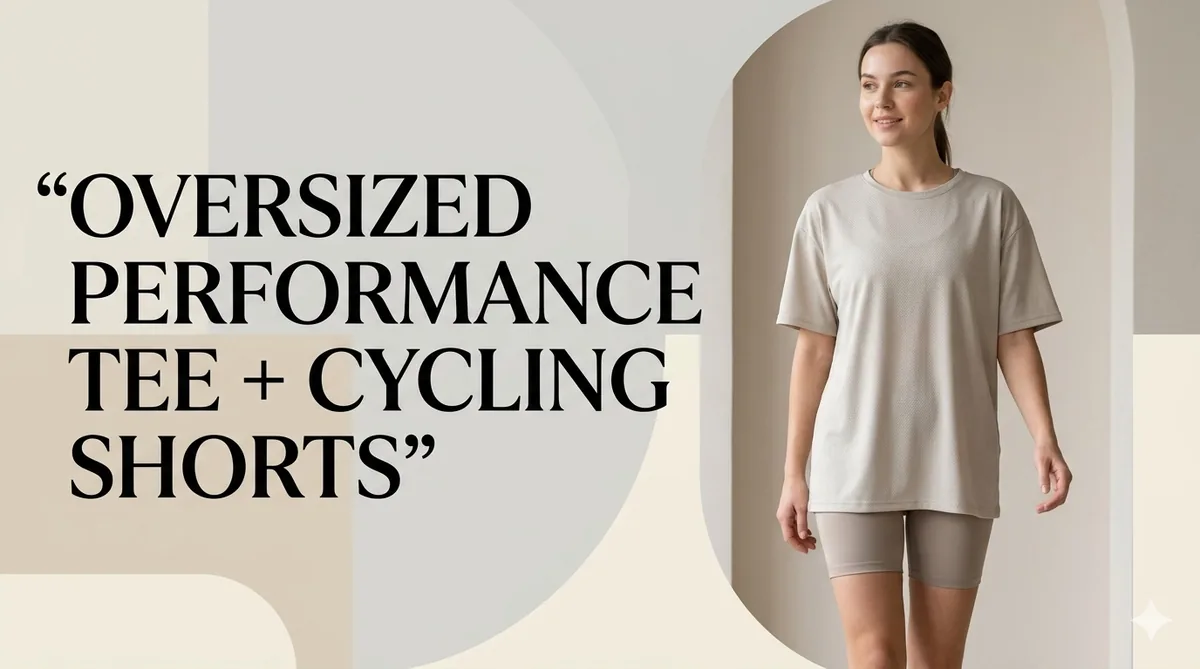
5. Oversized Performance Tee + Cycling Shorts
This combination blends comfort and style. It gives more coverage on top while keeping the lower half light and flexible.
- Easy to wear
- Modern activewear look
- Comfortable movement
- Great balance of coverage and airflow
What to Look for When Buying Running Activewear
Check the Product Description
Look for terms such as moisture-wicking, quick-dry, breathable, lightweight, four-way stretch, or running fit. These words often indicate better performance fabric.
Focus on Fit
Fit can change how comfortable an outfit feels. Too tight can trap heat. Too loose can rub or shift while running.
- Relaxed tops for airflow
- Supportive sports bras for comfort
- Flexible bottoms that move with you
Choose Colours Smartly
If visible sweat marks bother you, darker shades help. Good choices include black, navy, charcoal, deep green, and dark brown — these usually hide moisture better than pale colours.
Small Features That Make a Big Difference
Mesh panels — Often placed under the arms or across the back, they improve airflow and help release heat during runs.
Flatlock seams — These seams sit flatter against the skin and reduce irritation, especially helpful on longer runs.
Hidden pockets — Useful for carrying keys or small essentials without needing a bag.
Reflective details — A practical safety feature if you run early in the morning or later in the evening.
Common Mistakes Women Make When Buying Running Clothes
Buying Fashion Gym Wear Instead of Running Wear
Some outfits are designed more for appearance than movement. They may look great in photos but perform poorly during actual runs. Always prioritise function over looks when buying running-specific activewear.
Ignoring the Fabric Label
Always check what the clothing is made from before buying. The right material makes a noticeable difference to your comfort and performance.
Wearing Regular Bras
A supportive sports bra can improve comfort, posture, and confidence during exercise. It’s one of the most important parts of a running outfit and should never be skipped.
Choosing Very Cheap Sets
Budget options can work, but very low-quality activewear often loses shape quickly and becomes uncomfortable after a few washes. It’s worth investing a little more in pieces you’ll actually enjoy wearing.
Stylish Running Outfit Ideas
- Clean minimal look: Black leggings with a white quick-dry tee and simple trainers
- Soft feminine look: Muted pink tank with charcoal running shorts
- Relaxed modern look: Oversized active tee with cycling shorts
- Strong athletic look: Matching dark sports bra and leggings set
How Many Running Outfits Do You Need?
- Starting out: Two sets are enough to begin
- Running regularly: Four to five sets make life easier
- Training often: Six or more allows better rotation between washes, helps clothes dry properly and last longer
How to Wash Activewear Properly
Good running clothes can lose performance if washed the wrong way.
- Wash after every sweaty workout
- Use mild detergent
- Avoid fabric softener (it reduces moisture-wicking ability over time)
- Air dry when possible
- Avoid excessive heat from tumble dryers
Final Thoughts
The right running outfit can completely change the way your workout feels. Instead of dealing with sticky, heavy clothing that distracts you, choose fabrics designed to stay light and breathable.
You don’t need a huge wardrobe or expensive pieces — you simply need clothes made from the right materials, with a fit that supports movement and keeps you comfortable. Once you start running in outfits that don’t soak up sweat, the difference is hard to ignore.